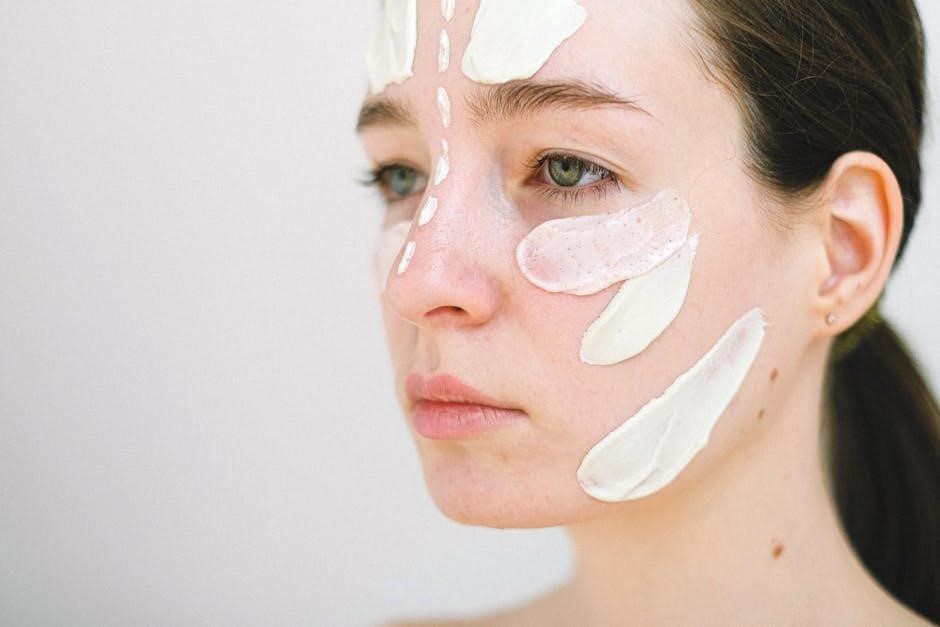
The Modern Guide to Skin Health (Updated September 3, 2026)
Aesthetic medicine now prioritizes skin’s repair mechanisms, alongside surgical options and tweakments, driving demand for companion products focused on efficacy, safety, and sustainability․
The landscape of facial cosmetic care is undergoing a significant transformation, moving beyond superficial beauty towards a holistic understanding of skin health․ In 2026, aesthetic medicine champions treatments that collaborate with the skin’s inherent repair processes, enhancing both function and overall well-being․ This shift is fueled by a growing consumer awareness and demand for natural-looking results, alongside the increasing popularity of regenerative treatments․
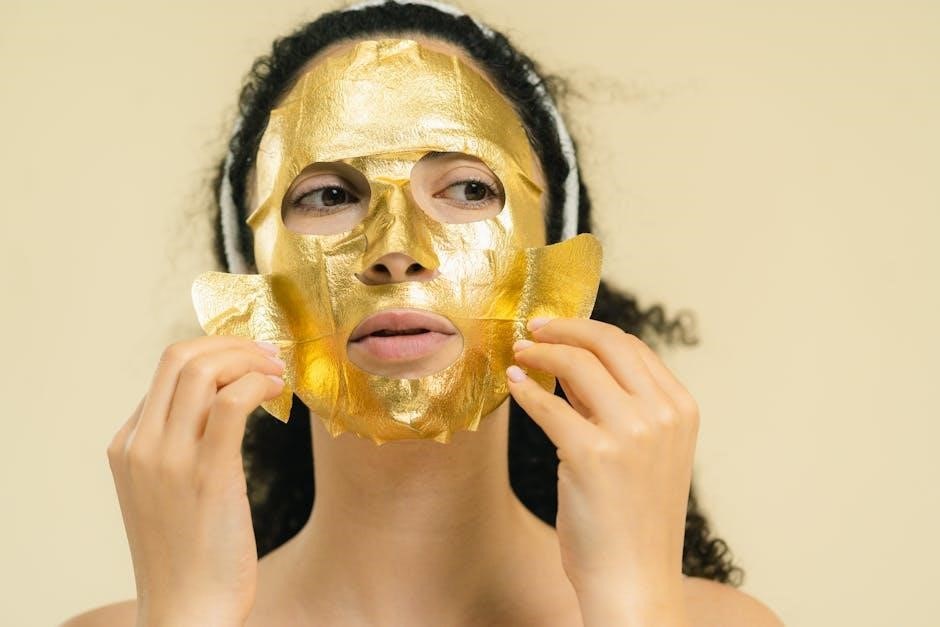
We’re witnessing a robust surge in products designed to complement aesthetic plastic surgery and tweakments, indicating a desire for comprehensive care․ This new era prioritizes transparency in formulations, environmentally conscious practices, and a focus on long-term skin health, converging efficacy, safety, and sustainability․
The Convergence of Aesthetic Medicine and Skincare
A notable trend in 2026 is the increasing synergy between aesthetic medicine and advanced skincare, particularly with the rise of “companion” products․ These formulations are specifically designed to support and enhance the results of surgical procedures like deep plane facelifts and blepharoplasties, as well as non-invasive tweakments․
This convergence reflects a broader understanding that optimal outcomes require a multi-faceted approach․ The beauty industry is responding with innovative launches, focusing on pre- and post-procedure care to maximize benefits and minimize downtime․ This collaborative approach emphasizes a holistic strategy, integrating professional treatments with targeted, at-home skincare regimens․
Understanding Your Skin
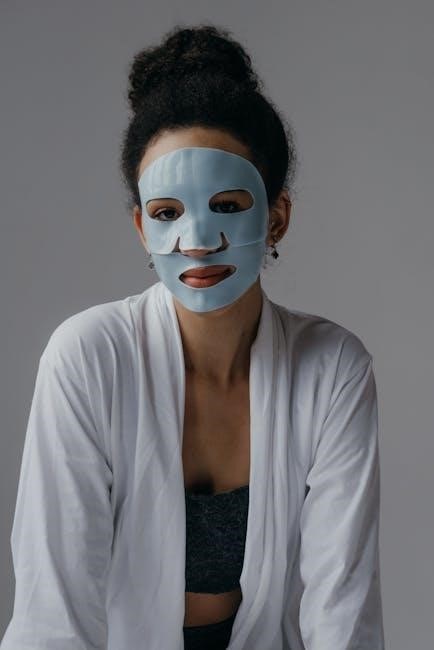
Knowing your skin type and prioritizing the skin barrier’s function are crucial for modern skin health, influencing product choices and treatment approaches․
Skin Types and Characteristics
Traditionally, skin types were categorized as normal, dry, oily, combination, or sensitive, but a modern understanding delves deeper into individual skin characteristics․ Factors like genetics, age, hormones, and environmental exposure significantly influence skin’s behavior․ Beyond basic categorization, assessing skin’s hydration levels, barrier function, and predisposition to conditions like acne or rosacea is paramount․
Furthermore, the concept of the “skin microbiome” adds another layer of complexity․ Each individual possesses a unique ecosystem of microorganisms on their skin, impacting its health and resilience․ Understanding these nuances allows for a more personalized and effective skincare approach, moving away from generalized recommendations towards targeted solutions․ Recognizing these characteristics is the first step towards achieving optimal skin health․
The Skin Barrier: Function and Importance
The skin barrier, comprised of lipids and proteins in the stratum corneum, is crucial for maintaining hydration and protecting against environmental aggressors․ A compromised barrier leads to dryness, irritation, and increased sensitivity․ Recent trends highlight the “barrier-building” approach, emphasizing ingredients that support and restore this vital function․
Maintaining a healthy skin barrier is paramount for overall skin health․ It prevents trans-epidermal water loss (TEWL), shields against pollutants, and supports the skin’s microbiome․ Damage can be caused by harsh cleansers, over-exfoliation, and environmental factors․ Prioritizing gentle skincare and incorporating barrier-repairing ingredients is now a central tenet of modern dermatological practice and consumer skincare routines․
Key Ingredients for Modern Skin Health
Next-generation actives like copper tripeptide-1, oligopeptide-68, and microbiome-targeting peptides are leading the charge in advanced skincare, promoting repair and balance․
Copper Tripeptide-1: Wound Healing and Collagen Support
Copper Tripeptide-1 is a standout ingredient gaining prominence in modern skincare formulations due to its remarkable ability to stimulate wound healing and bolster collagen production․ This peptide, composed of three amino acids and a copper ion, plays a crucial role in restoring and maintaining skin integrity․ Historically utilized for its regenerative properties, advancements in stabilization systems have significantly enhanced its efficacy․
These improved systems ensure the peptide remains potent and delivers optimal results, making it a highly sought-after component in products designed to address aging concerns and skin damage․ By promoting collagen synthesis, Copper Tripeptide-1 helps to improve skin elasticity, reduce the appearance of wrinkles, and enhance overall skin texture․ It’s a key player in supporting the skin’s natural repair processes․
Oligopeptide-68: Advanced Brightening Technology
Oligopeptide-68 represents a modern leap forward in skin brightening, offering a sophisticated alternative to traditional methods․ This advanced peptide targets pigmentation pathways with remarkable precision, effectively reducing the appearance of dark spots and uneven skin tone without causing irritation – a common concern with many brightening agents․ It works by influencing melanogenesis, the process responsible for melanin production, leading to a more radiant and even complexion․
Its gentle yet potent action makes it suitable for a wide range of skin types, including sensitive skin․ Consumers are increasingly aware of this ingredient, driving demand for products featuring Oligopeptide-68 as a key component․ This peptide embodies the shift towards effective, irritation-free brightening solutions․
Microbiome-Targeting Peptides: Balancing Skin Ecosystems
An emerging class of peptides is revolutionizing skincare by focusing on the skin’s microbiome – the complex community of microorganisms residing on our skin․ These microbiome-targeting peptides work to restore balance within this ecosystem, addressing issues like redness, acne, and overall skin sensitivity․ A healthy microbiome is crucial for a robust skin barrier and optimal skin function․
By supporting beneficial bacteria and modulating inflammatory responses, these peptides enhance skin tolerance and resilience․ This approach represents a paradigm shift, moving beyond simply treating symptoms to addressing the root cause of many skin concerns․ Consumer awareness of the microbiome’s importance is rapidly growing, fueling demand for these innovative formulations․
Advanced Skincare Technologies
AI-based diagnostics and connected beauty devices are personalizing skincare routines, offering tailored solutions and tracking progress for optimal skin health outcomes․
AI-Based Skin Diagnostics
The integration of Artificial Intelligence (AI) is revolutionizing skin analysis, moving beyond traditional visual assessments․ These advanced systems utilize sophisticated algorithms and machine learning to deeply analyze skin conditions with unprecedented accuracy․
AI-powered tools can assess various parameters, including hydration levels, pore size, wrinkle depth, pigmentation irregularities, and even underlying inflammation․ Consumers can now access these diagnostics through smartphone apps or in-clinic devices, providing personalized insights into their skin’s unique needs․
This data-driven approach allows for the creation of highly customized skincare regimens, ensuring that individuals receive targeted treatments for optimal results․ Furthermore, AI diagnostics facilitate the tracking of skin health progress over time, enabling adjustments to routines as needed and empowering proactive skincare management․
Connected Beauty Devices: Personalized Skincare
Building upon AI-driven diagnostics, connected beauty devices are delivering truly personalized skincare experiences․ These innovative tools seamlessly integrate with smartphone apps, offering customized treatments and real-time feedback․
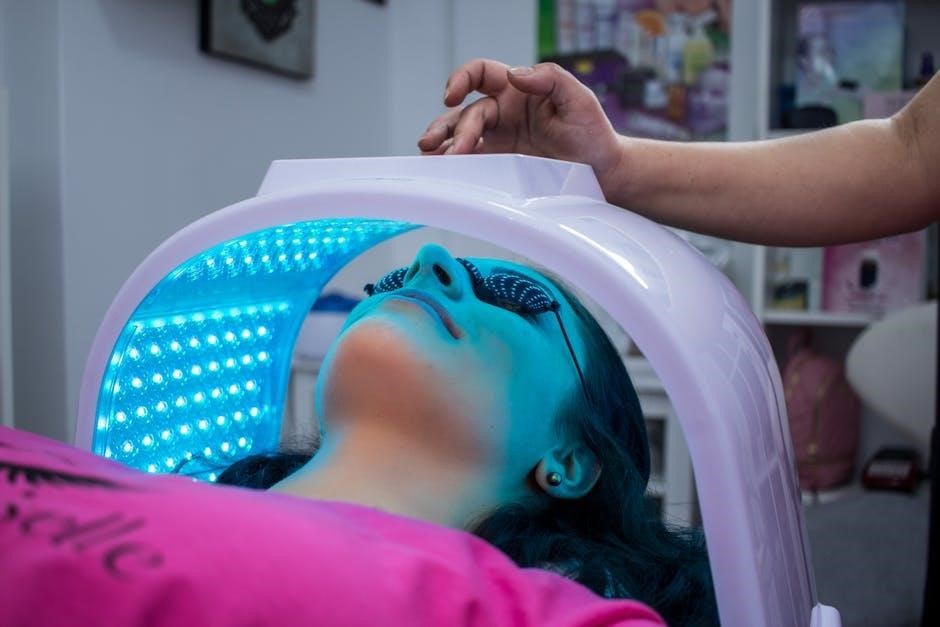
Devices range from smart mirrors analyzing skin metrics to handheld tools delivering targeted microcurrents or LED light therapy․ Data collected from these devices informs personalized product recommendations and treatment protocols, optimizing skincare routines for individual needs․
The convenience of at-home treatments, combined with the precision of data-driven personalization, is driving the popularity of connected beauty․ This trend empowers consumers to take control of their skin health, achieving professional-level results in the comfort of their own homes․
The Rise of Cosmeceuticals
Growth factors and exosomes are leading cosmeceutical advancements, stimulating cellular repair and communication for enhanced skin health and a regenerative approach․
Growth Factors: Stimulating Cellular Repair
Growth factors represent a pivotal advancement within cosmeceuticals, directly addressing the skin’s natural repair processes at a cellular level․ These potent molecules act as messengers, signaling cells to behave as they did during younger years – boosting collagen and elastin production, improving skin texture, and accelerating wound healing․ The current landscape sees sophisticated delivery systems enhancing growth factor stability and penetration, maximizing their efficacy․
This isn’t merely about surface-level improvements; growth factors work with the skin’s inherent capabilities, promoting genuine revitalization․ They are increasingly popular as adjuncts to surgical procedures, optimizing post-operative recovery and enhancing long-term results․ The focus is shifting towards harnessing the body’s own regenerative potential, offering a more natural and sustainable approach to skin health and anti-aging․
Exosomes: Harnessing Cellular Communication
Exosomes are emerging as a revolutionary component in cosmeceuticals, representing a cutting-edge approach to skin rejuvenation through intercellular communication․ These nano-sized vesicles, naturally released by cells, carry vital proteins, lipids, and genetic material – essentially delivering instructions to other cells․ Utilizing exosomes allows for targeted delivery of regenerative signals, stimulating collagen synthesis, reducing inflammation, and improving overall skin health․
Unlike direct growth factor application, exosomes leverage the skin’s own signaling pathways, offering a more biocompatible and potentially more effective solution․ They are gaining traction as post-procedure support, aiding in faster healing and enhanced results following aesthetic treatments․ The future of skincare increasingly relies on understanding and harnessing these natural cellular messengers for truly transformative outcomes․
Consumer Trends Shaping Skin Health
Consumers now prioritize transparency in formulations, environmentally conscious skincare, and natural-looking, regenerative treatments, driving a shift towards holistic skin health approaches․
Transparency in Formulations
The demand for complete transparency in skincare formulations is rapidly escalating, fueled by increasingly informed consumers․ Individuals are no longer satisfied with simply marketing claims; they actively seek detailed ingredient lists and a clear understanding of each component’s purpose․ This shift necessitates brands to move beyond vague descriptions and embrace full disclosure, detailing not only what is in the product but also why it’s included and its sourcing․
Consumers are leveraging online resources and ingredient databases to scrutinize labels, demanding accountability from brands regarding potential irritants or controversial substances․ This heightened awareness extends to manufacturing processes and ethical considerations, pushing companies to adopt more sustainable and responsible practices․ Ultimately, transparency fosters trust and empowers consumers to make informed decisions aligned with their individual skin health goals and values․
Environmentally Conscious Skincare
A growing wave of consumers is prioritizing environmentally conscious skincare, driving a significant shift within the beauty industry․ This extends beyond simply “natural” ingredients, encompassing the entire product lifecycle – from sourcing and manufacturing to packaging and disposal․ Sustainable packaging solutions, such as refillable containers and biodegradable materials, are gaining prominence, reducing plastic waste and minimizing environmental impact․
Brands are increasingly focusing on responsible sourcing of ingredients, ensuring ethical labor practices and minimizing their carbon footprint․ Water conservation during production and the use of renewable energy sources are also becoming key considerations․ This trend reflects a broader societal commitment to sustainability and a desire to support brands that align with eco-friendly values, fostering a healthier planet alongside healthier skin․
The Demand for Natural Outcomes & Regenerative Treatments
A significant shift is occurring in aesthetic preferences, with a growing demand for natural-looking results and treatments that focus on skin regeneration rather than drastic alteration․ This trend is paralleled by increased interest in procedures like blepharoplasties and deep plane facelifts, but with a focus on maintaining facial harmony and avoiding an “overdone” appearance․
Consumers are seeking solutions that work with the skin’s natural healing processes, utilizing ingredients like growth factors and exosomes to stimulate cellular repair and collagen production․ This move towards regenerative treatments reflects a desire for long-term skin health and a more holistic approach to beauty, prioritizing vitality and a youthful glow over artificial enhancements․
Surgical and Tweakment Companions
The beauty industry sees robust product launches designed to complement aesthetic plastic surgery or tweakments, supporting procedures and enhancing overall results․
Products Supporting Blepharoplasty
Following blepharoplasty, the focus shifts to optimizing skin health around the delicate eye area․ Barrier-building formulas are crucial, as the procedure can temporarily compromise the skin’s protective function․ Products containing peptides – specifically copper tripeptide-1 – aid wound healing and collagen support, minimizing scarring and promoting skin resilience․
Brightening ingredients like oligopeptide-68 can address post-inflammatory hyperpigmentation, a potential concern after surgery․ Hydration is paramount; incorporating hyaluronic acid serums and rich, emollient creams helps restore moisture balance․ Gentle, fragrance-free cleansers and broad-spectrum SPF are essential to protect the newly rejuvenated skin․ Avoiding harsh actives immediately post-procedure is vital for optimal recovery and long-term results․
Products Supporting Deep Plane Facelifts
Post-deep plane facelift care centers on enhancing the skin’s natural regenerative capabilities․ Growth factors and exosomes are gaining prominence, stimulating cellular repair and collagen production to optimize surgical outcomes․ Barrier-building formulas are essential to restore and maintain the skin’s protective function, often disrupted during the procedure․
Peptides, including those targeting the microbiome, help balance skin ecosystems and reduce inflammation․ Hydrating serums with hyaluronic acid and nourishing creams support skin elasticity and minimize dryness․ Consistent, diligent sun protection is non-negotiable․ Avoiding aggressive actives immediately after surgery allows for proper healing, while gradually reintroducing them can further enhance long-term skin health․

Barrier-Building Formulas: The Latest Buzz
The focus on skin barrier health is a dominant trend, with brands like Deinde and Mantle leading the charge․ These “barrier-building” formulas aim to restore and strengthen the skin’s outermost layer, crucial for protecting against environmental stressors and maintaining hydration․ Key ingredients include ceramides, peptides, and fatty acids, working synergistically to repair a compromised barrier․
Experts predict continued growth in this area, driven by increased consumer awareness of the barrier’s importance․ A healthy barrier improves skin tolerance, reduces redness and acne, and enhances the efficacy of other skincare products․ This trend reflects a shift towards prioritizing skin health over simply addressing surface-level concerns․